

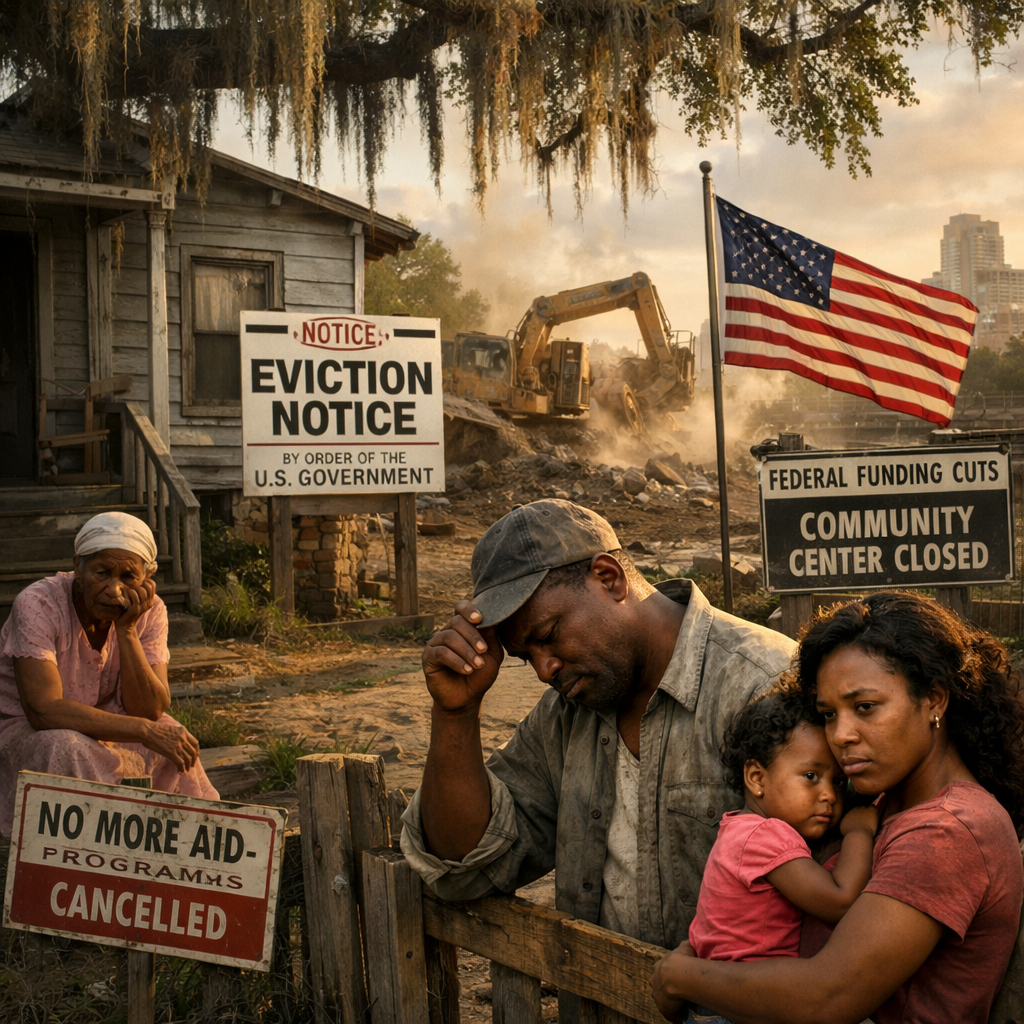
As Savannah continues to evolve, the interplay between national policies and local realities becomes increasingly evident. Recent federal actions have had tangible effects on our community, influencing economic conditions, public safety, and social cohesion.
Economic Impacts of Federal Immigration Enforcement
In September 2025, a significant operation by U.S. Immigration and Customs Enforcement (ICE) targeted the Hyundai Motor Group Metaplant America site in Bryan County. This raid led to the detention of over 300 workers, primarily Korean nationals, and had immediate repercussions for local businesses. Entrepreneurs like Sean Kim, who provided housing for these workers, faced abrupt halts in their operations. The absence of these workers not only disrupted the construction of the electric vehicle factory but also affected the broader local economy, highlighting the delicate balance between federal immigration policies and local economic stability.
Public Safety Concerns Amid Federal Pursuits
In February 2026, a high-speed chase initiated by ICE agents resulted in a tragic accident on Whitefield Avenue, claiming the life of Dr. Linda Davis, a beloved special education teacher. This incident sparked a debate over the coordination between federal and local law enforcement agencies. Savannah Mayor Van Johnson emphasized the need for improved communication to prioritize public safety, reflecting the challenges that arise when federal operations intersect with local jurisdictions.
Community Events Affected by National Climate
The broader national discourse on immigration enforcement has also influenced cultural events in Savannah. In September 2025, the Savannah Hispanic Chamber of Commerce canceled the annual Hispanic Heritage Parade, citing concerns over the prevailing climate of fear among the Latino community. This decision underscores how national policies can permeate local traditions, affecting the vibrancy and inclusivity of community events.
Addressing Homelessness Through Policy
Homelessness remains a pressing issue in Savannah, with city officials implementing measures such as camping bans and increased law enforcement to address encampments in historic districts. These actions reflect a broader national trend of urban centers grappling with homelessness through policy interventions. The effectiveness and humanitarian implications of such measures continue to be topics of local and national discussion.
In conclusion, Savannah’s experiences serve as a microcosm of the broader national landscape, illustrating how federal policies and actions resonate within local communities. As we navigate these challenges, it is imperative to foster dialogue and collaboration between national and local entities to ensure policies are implemented with consideration for their local impact.